
Regrouting tiles is something with which a lot of people struggle. It is not because they do not know how it is done; it is because they do not know when it is important to get your tiles regrouted.
It does not matter what sort of tiles you are using, but it is important to know that without effective yet timely maintenance, the best ones can get worse. Regrouting is one of the most important tasks in tile maintenance. As time goes by, grout can wear out, crack, or discolour, which affects the overall look and functionality of your tiled surfaces.
If you are also someone who does not know how often you should regrout the tiles, this article is a hit for you. In this piece of information, we will tell you in detail how often you should regrout your tiles and key signs that you need it.
What is regrouting, and why is it important?
Before we get to what the signs are that you should get regrouting services, below we have discussed what exactly regrouting is and why it is important.
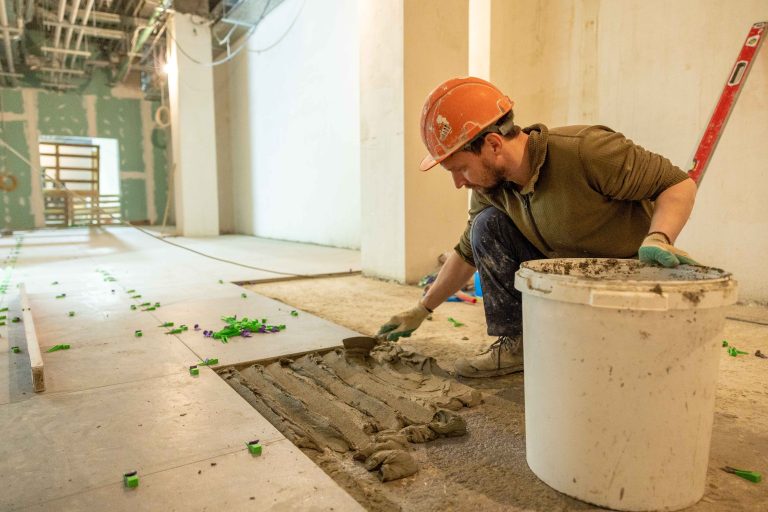
Regrouting refers to the process in which old and used grout between tiles is removed and replaced with fresh grout. This is one of the key maintenance tasks. This is especially done in the areas of accommodation or commercial spaces that are highly exposed to moisture. Such places include bathrooms and kitchens, where grout holds importance because of sealing tiles.
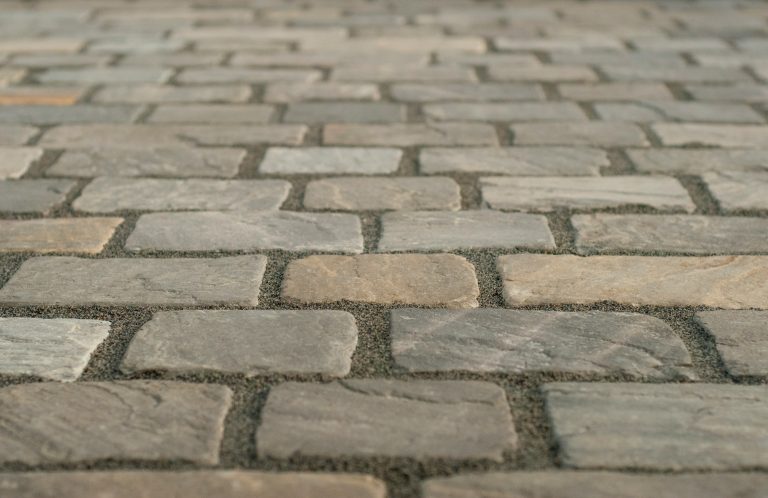
When grout becomes damaged, it loses its ability to protect the area from moisture, dirt, and grime. Regrouting tiles can restore the functionality of your tile surfaces and enhance their appearance. This is especially true for stone regrouting, where natural stone tiles (such as marble, granite, or slate) require specific care and attention to maintain their integrity.
How Often Should You Regrout Your Tiles?
This is the main point of the entire guide. There is no hard and fast rule that says how often you should regrout your tiles, as this depends on a lot of factors. However, if we talk on average, then tile regrouting can be done every 5 to 10 years, which depends on the conditions in the space. Areas that have high traffic, frequent cleaning, and extra high moisture would need regrouting sooner.
Some of the factors that determine how often you should regrout your tiles include:
Location: The location at which tiles are placed matters a lot when thinking about the time of regrouting. If the tiles are in the bathroom or kitchen, they might need regrouting way more frequently than the ones in other parts of your place. This is because of the constant water and humidity exposure.
Tile Type: The type of tiles you have also plays an important role in determining the time of regrouting. If you have stone tiles, then you must know that they require more frequent regrouting because of their porous nature, which can absorb moisture and cause grout to deteriorate faster.
Traffic: If the tiles are placed in high-traffic areas, then they will subject the grout to more wear and tear, requiring more frequent maintenance.
Maintenance: Regular cleaning and sealing of grout can prolong its life, but as time goes by, even the well-maintained grout will need replacement.
Key Signs You Need to Regrout Your Tiles
The wait is over. Below, we have discussed the key signs that would help you identify that your tiles need to be regrouted. Take time and read them thoroughly so that you can understand them better.
1. Cracked or Missing Grout
Cracked or absent grout is among the most apparent indicators that you require tile regrouting. Over time, grout degrades on its own; as it becomes less strong, it becomes more vulnerable to cracking or disintegration.
Gaps between tiles left when the grout cracks down let moisture, dust, and debris build beneath the tile surface. If you see any fractured grout, it’s time to regrout your tile to preserve its integrity and stop additional damage. In bathrooms and kitchens, where the chances of mould and mildew development are higher, this is particularly crucial.
2. Discolouration or Stains
Another clear sign that you need to regrout bathroom tiles is their discolouration and stains. Over time, there is an increased chance that grout can absorb dirt, grease, and moisture, which leads to unsightly stains that are hard to clean. Regrouting will not only improve the appearance of the tiles but also help you create a hygienic environment by eliminating areas where mould or mildew could form.
3. Mould and Mildew Growth
If your tiles are in a damp environment, such as bathrooms and basements, they are highly susceptible to mould and mildew growth. When the grout starts to get worse, it can allow moisture to seep through, which creates an ideal breeding ground for mould.
Stone regrouting services are particularly helpful in these situations, as they can properly seal the stone tiles and grout, preventing moisture infiltration and mould growth.
4. Loose or Shifting Tiles
Loose or shifting tiles are a sign that the grout has become weak and needs to be replaced. If you notice any loose tiles or ones that are shifting, then it might be a sign that you need to get regrouting services. Over time, improper grout maintenance can lead to further damage and the need for more extensive repairs.
5. Water Seepage
If you notice that the water is seeping under the tiles or pooling in areas where the grout is damaged, it is time to regrout. When water seeps out in nearby areas, it is a big matter of concern, as this can lead to structural issues such as rotting wood or compromised waterproofing.
Frequently Asked Questions (FAQs)
Q: Is it important to regrout tiles every month?
A: No, it is not important to regrout tiles every month, as this can weaken the already added grout. Regrouting should only be done when needed.
Q: Do stone tiles need regrouting?
A: Yes, as time goes by, stone tiles need regrouting because they absorb moisture, which weakens the grout.
Q: Why is regrouting in the kitchen and bathrooms done more often than in other parts of the home?
A: It is because the tiles in the kitchen and bathrooms often face more moisture and water exposure than other tiles in the house, which weakens their grout early and requires regrouting more often.
Final Words
Maintaining the looks and integrity of your tiled surfaces calls for regular regrouting of tiles. Knowing the signals that it is time to regrout, cracked grout, discolouration, mould development, or water seepage in your bathroom, kitchen, or other high-traffic areas can enable you to prevent more damage and keep your area looking fresh and practical.
Though the frequency of regrouting varies depending on several variables, being proactive with upkeep will help to extend the life of your tiles and grout. Should you spot any of the critical clues, don’t hesitate to contact professional regrouting companies to bring your tiles back to their best condition.