
Keep Dull, Stain‑Prone Stone Protected With Professional Sealing
Seal your benchtops, bathrooms, and outdoor stone so spills sit on the surface, clean‑ups are easy, and your finish actually lasts.
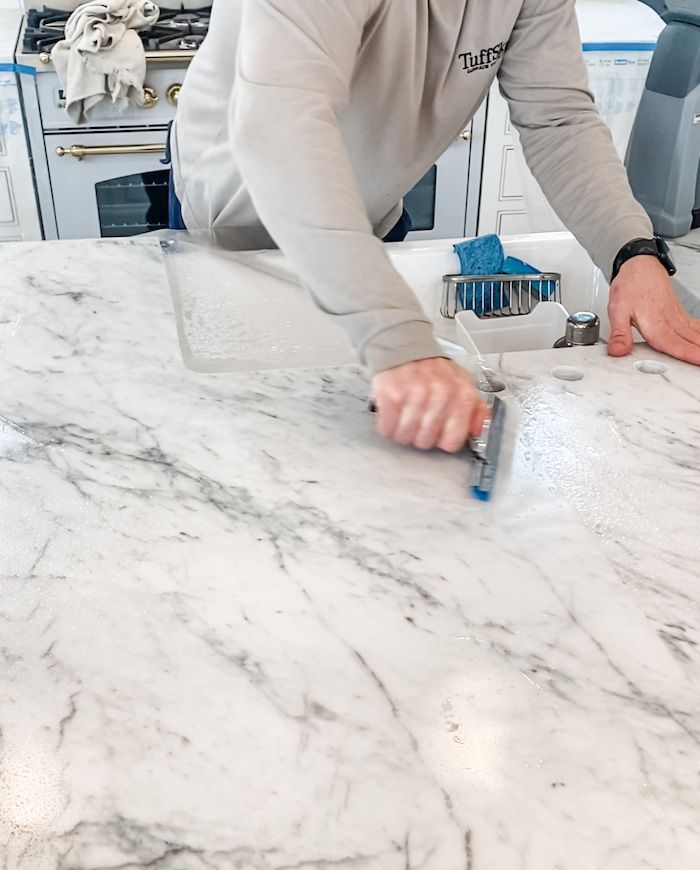
When Stone Starts Soaking Up Everything
You’ve probably noticed it. Coffee darkens the benchtop.
Water patches the bathroom floor. Outdoor stone goes chalky after rain.
You wipe it, it looks fine for a week, then the marks come back.
That’s the sealer wearing off. Stone is porous, and once the protection is gone, every spill soaks in instead of sitting on top. Melbourne’s humidity and UV speed the whole thing up.
We pick the sealer for your stone, strip the surface properly, and apply it so it bonds. Spills sit on the surface long enough to wipe away. You pour the coffee, spill the wine, and the stone stays clean.
Stop Stains Before They Ever Set In
At The Stone Restoration, we see this all over Melbourne. Most stone doesn’t need replacing. It needs the right sealer, at the right time.
When we seal your stone, you get:
- A benchtop that wipes clean instead of holding coffee marks
- A bathroom floor that doesn’t patch around the shower
- Outdoor stone that stays rich and dark instead of going chalky

We Never Seal Every Surface The Same Way
One sealer on every stone is how you end up with a cloudy benchtop or a patchy patio. We match the product to the stone and the room.
Matched to the Stone
Marble etches easily, so we use food-safe penetrating sealers that resist acid without changing the finish. Bluestone and sandstone pull moisture from below, so we go deeper. Travertine has natural voids that hold water, so we seal into those specifically.
Cleaned Before We Seal
We strip grime and old sealer before anything new goes on. Skip this and the fresh product just sits on top and fails within months.
No Plastic Film
Our impregnating sealers soak into the stone. They don’t yellow, peel or turn cloudy. Your gloss stays glossy, your honed finish stays even.
Prepped and Masked
We protect carpets, timber and metalwork so sealer only goes where it should.
Assessment First
You’ll know whether the surface needs sealing now, a deep clean first, or grinding before we seal. We tell you before we start.
The Process From First Look to Sealed Surface
Assess
We check the stone, its porosity, finish, and any old sealer. The wrong product on the wrong surface does more harm than good.
Clean
We strip grime, residue, and failing sealer. The surface needs to be bare for the new product to bond.
Prep
We mask and protect surrounding areas. Sealer goes where it should and nowhere else.
Seal
We apply the right sealer and let it cure properly. You get told when the surface is back in use.
The one thing sealing can’t fix is deep etching or structural damage. If the stone is already compromised, we’ll recommend grinding or repair first.
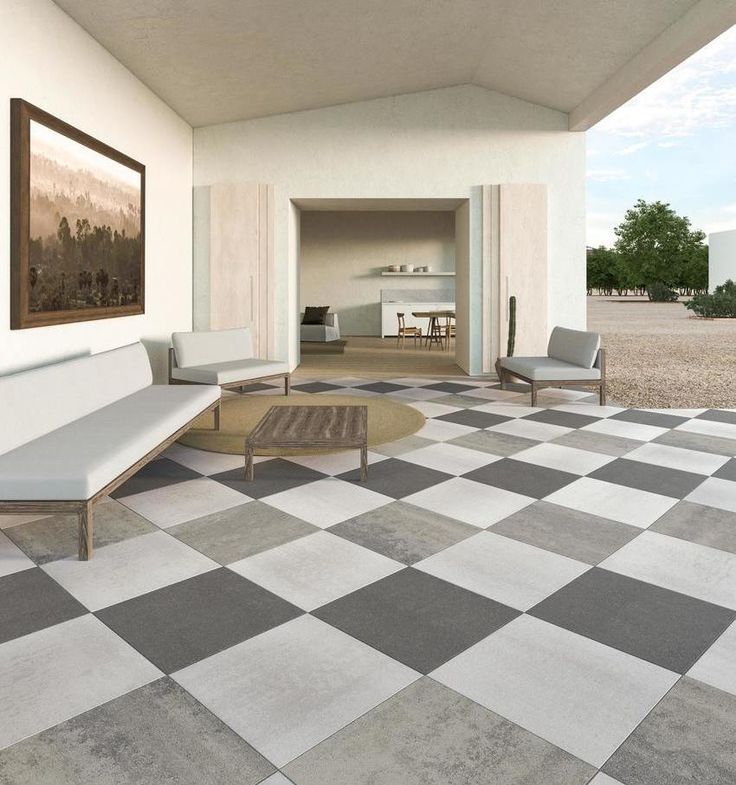
Stone Sealing for Natural Stone Surfaces
We seal marble, granite, limestone, travertine, bluestone, sandstone, basalt, terrazzo, and concrete. Each drinks water differently and faces different threats. We match the sealer so nothing goes cloudy, patchy, or chalky.
Protect Every Surface in Your Home
Whether it’s a benchtop, a vanity, outdoor paving, or a freshly ground floor, we seal it to match the finish and the use.
Frequently Asked Questions
1. Do you need to seal natural stone?
Yes, natural stone is porous and will absorb liquids if left unsealed, and it will get deep stains, bacterial growth, and moisture damage. Sealing helps to keep the stone from taking any significant structural damage over time.
2. Is it necessary to seal engineered stone?
Yes, but engineered stone is not as porous, and the resin used as a binder absorbs chemical etching. When not sealed, cleaning agents and stubborn colours gradually dim the finish.
3. What is causing my stone to become white or chalky after a rain?
That’s efflorescence. Rainwater permeates the stone, removes natural salts, and results in white, crusty spots. A deep sealer prevents water from entering and avoids white spots.
4. How to determine whether my sealer has failed?
See how far the “water drop test” goes; leave a small puddle on your stone. If the surface darkens or absorbs the water, you are out of sealer. This means the stone is not protected and will easily stain.
5. If porcelain and basalt are non-porous, does it require sealing?
Yes. Micro-punching leaves create microscopic holes and will eventually catch dirt and stains. Sealing will block those little holes, so the surface remains clean, and it is far easier to wipe.
Talk to us
We’ll tell you whether it needs sealing now, a deep clean first, or grinding before we seal. If you want a price, we’ll book a free on-site estimate.
Email: support@thestonerestoration.com.au
Phone: +61341517516
Get a Free Quote
Want to see the results first?
Browse our recent sealing and restoration projects.