
Bring Dull, Scratched Stone Back With Professional Grinding & Polishing
Grind away etch marks, scratches, and lifted edges, and the same floor looks clear, flat, and polished again.
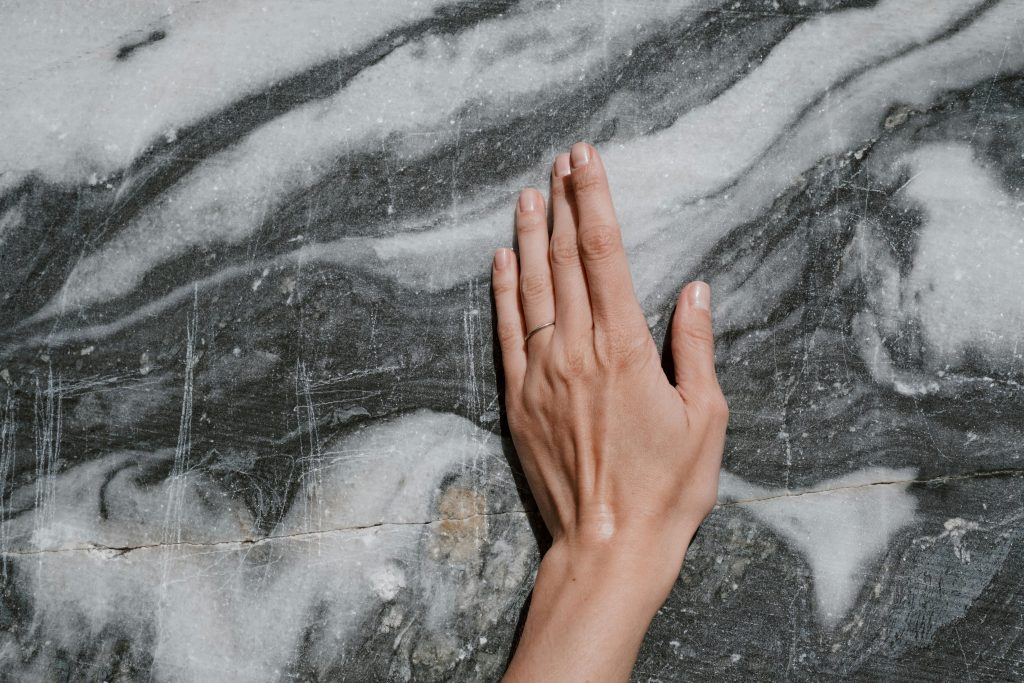
Remove Unwanted Marks From Stone Floors
You’ve probably tried a stone cleaner from the hardware store, a polishing cream, or a steam mop. The wine stain ring is still there, the walkway to the kitchen has gone dull, and someone has suggested pulling the floor up.
That ring is acid damage. Wine, lemon juice, and bathroom cleaners eat into polished marble and leave a dull patch that looks like stains and etch marks. Because the damage is in the stone, creams and pads only hide it until the next mop.
We take off a fraction of a millimetre, just below the damage, and the marks go with it. Lifted edges come back to the same level as the floor, so dirt stops packing along the lip.
Remove Unwanted Marks From Stone Floors
At Stone Restoration, we see this all over Melbourne. In most homes, the stone itself is fine. The damage sits in the very top layer. When we grind that thin layer off and refinish it, the same floor looks clear, flat, and polished again.
When we grind your stone, you get:
- A stone floor that looks new, without replacing it
- Marble tiles that sit flat, so you stop catching your toes
- A stone surface that shines when you clean it
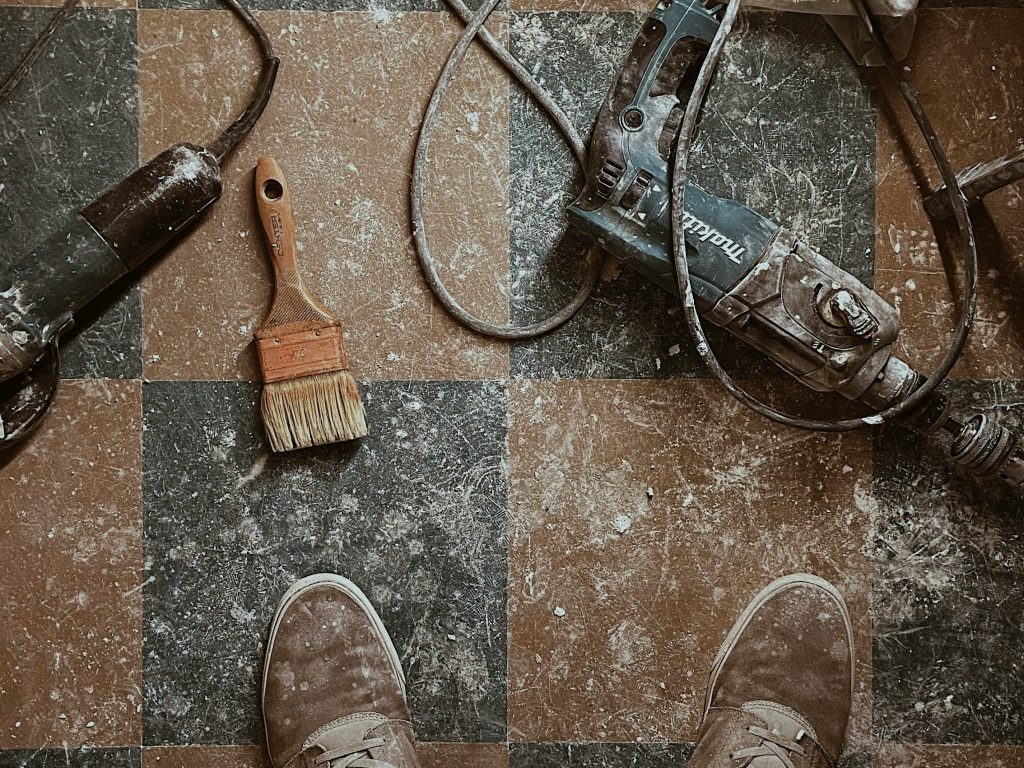
We Never Grind Every Floor The Same Way
Same diamonds on every floor leave dips in marble and leftover wear in granite. We match the cut to the stone in front of us.
Matched to the Stone
Marble, limestone, and travertine are soft, so we grind with finer diamonds and check as we go. Granite and concrete hold wear lanes, so we open them with coarse diamonds first, then finer passes to bring the shine back.
Dust-Controlled Grinding
Wet, water-fed equipment keeps dust out of the air and the slurry cleared as we work. Your home stays liveable while we do it.
Hand-Finished Details
Islands, vanities, stairs and feature walls are done by hand. The floor machine is too big, so we don’t leave it out.
Grout Lines Refilled
We clean out and refill cracked, stained, or missing grout so the joints match the new surface. Pointed out at the assessment, not after.
Assessment First
You’ll know whether the floor needs a grind, a polish, or only a clean and reseal before any machine starts.
The Process From First Look to Sealed Floor
Assess
We check your stone, its finish, and how deep the damage goes, then tell you whether you need a grind, a polish, or only a clean and reseal.
Wet Grind
Water-fed diamond pads take off the damaged layer and level the tiles. The water holds the dust, and we clear the slurry as we go.
Polish
Finer pads bring it up to matte, satin, or gloss, whichever you choose, evenly across the room.
Seal
Freshly ground stone soaks up liquid fast, so we seal it before we leave. The sealer sinks in instead of sitting on top, which buys you time when someone knocks over a glass of red wine.
Inspect
We go over the floor in daylight and under the lights and fix anything that’s off.
Handover
We show you what to clean it with and when to reseal.
The one thing grinding can’t fix is a tile that sounds hollow when you tap it. That tile has come off its bed, and we’ll spot it at the assessment.

Stone Grinding for Natural Stone Surfaces
We grind and polish marble, granite, limestone, travertine, terrazzo and concrete. Chips and cracks are filled with colour-matched epoxy and ground flush, and deep stains are drawn out before the grind starts. Soft stones get finer diamonds, hard stones get coarser cuts — every surface gets the right treatment so nothing chips, dips or glazes.
Restore Every Surface in Your Home
Whether you’re bringing back a full floor, blending a worn walkway, or finishing stairs, vanities and feature walls by hand, we match the finish across every surface so nothing looks tired next to everything else.
Frequently Asked Questions
1. Will grinding change the colour of my stone?
The colour can shift slightly. It’s the same stone, but the finish changes how the colour reads.
2. Will grinding remove deep stains like rust, oil, or ink?
Shallow stains go with the grind. Oil, rust, or ink that has soaked deep may need a treatment first, which draws it out of the stone.
3. Do grout lines need redoing after grinding?
Some of them often do. We clean out and refill cracked, stained, or missing grout so the joints match the new surface. We point this out at the assessment.
4. Can you grind quartz, Caesarstone, or porcelain?
Those aren’t natural stone. Quartz and most porcelain don’t grind and polish the same way marble does, and a floor machine can burn or glaze them. Contact us, and we’ll tell you if it’s a grind, a different process, or something we won’t touch.
Talk to us
We’ll tell you whether it needs a grind, a polish, or just a clean and reseal. If you want a price, we’ll book a free on-site estimate.
Email: support@thestonerestoration.com.au
Phone: +61341517516
Get a Free Quote
Want to see the results first?
Browse our recent grinding and polishing projects.