You might have sealed marble that didn’t need it. Or have waited too long and got permanent stains. Does water soak into your marble or sit on top? This simple test tells you if your marble needs protection.
A good sealing schedule for marble keeps your surfaces beautiful. The Stone Restoration helps Melbourne homeowners protect their marble with simple maintenance plans.
Key Takeaways
- Test your marble with water drops before sealing to check if it needs protection.
- Kitchen counters need to be sealed every 6 to 12 months.
- Bathroom marble needs sealing every twelve months.
- Professional marble sealing services prevent costly mistakes.
Understanding Your Marble Type
Different marble types need different care schedules.
Shiny vs Matte Marble
Shiny marble has a glass-like finish. The polishing closes tiny holes in the stone. This makes it less likely to soak up liquids. Many shiny surfaces don’t need frequent sealing.
Matte marble has no shine. It has more open holes. Liquids soak in faster. It needs regular marble care.
The Water Test
Not all marble needs a seal for marble. Here’s how to test yours:
- Pour water on your marble (about three inches wide)
- Wait thirty minutes
- Check if the water is soaked in or stayed on top
- Dark spots mean you need sealing
Do this test every few months. Different spots in your home need different care.
Kitchen Marble Sealing Schedule
Kitchen surfaces face the most abuse and need frequent attention.
Counter Areas
Kitchen counters get hit hard. Coffee spills daily. Food touches the surface. Cooking oil settles on marble.
Seal these spots every six months:
- Main prep areas
- Around the sink
- Near the stove
- High-traffic zones
Sealing marble countertops gives you time to wipe spills before they soak in.
Backsplash and Islands
Backsplashes don’t get as dirty. Water splashes happen, but food rarely touches them. Seal every twelve to eighteen months.
Islands are different. Kids do homework there. You prep meals on them. Guests lean on them. Treat islands like regular counters. Seal every six to twelve months.
The stone sealing services in Melbourne can check your specific needs.
Bathroom Marble Schedule
Bathrooms have moisture and chemicals that affect sealing needs.
Vanity Tops
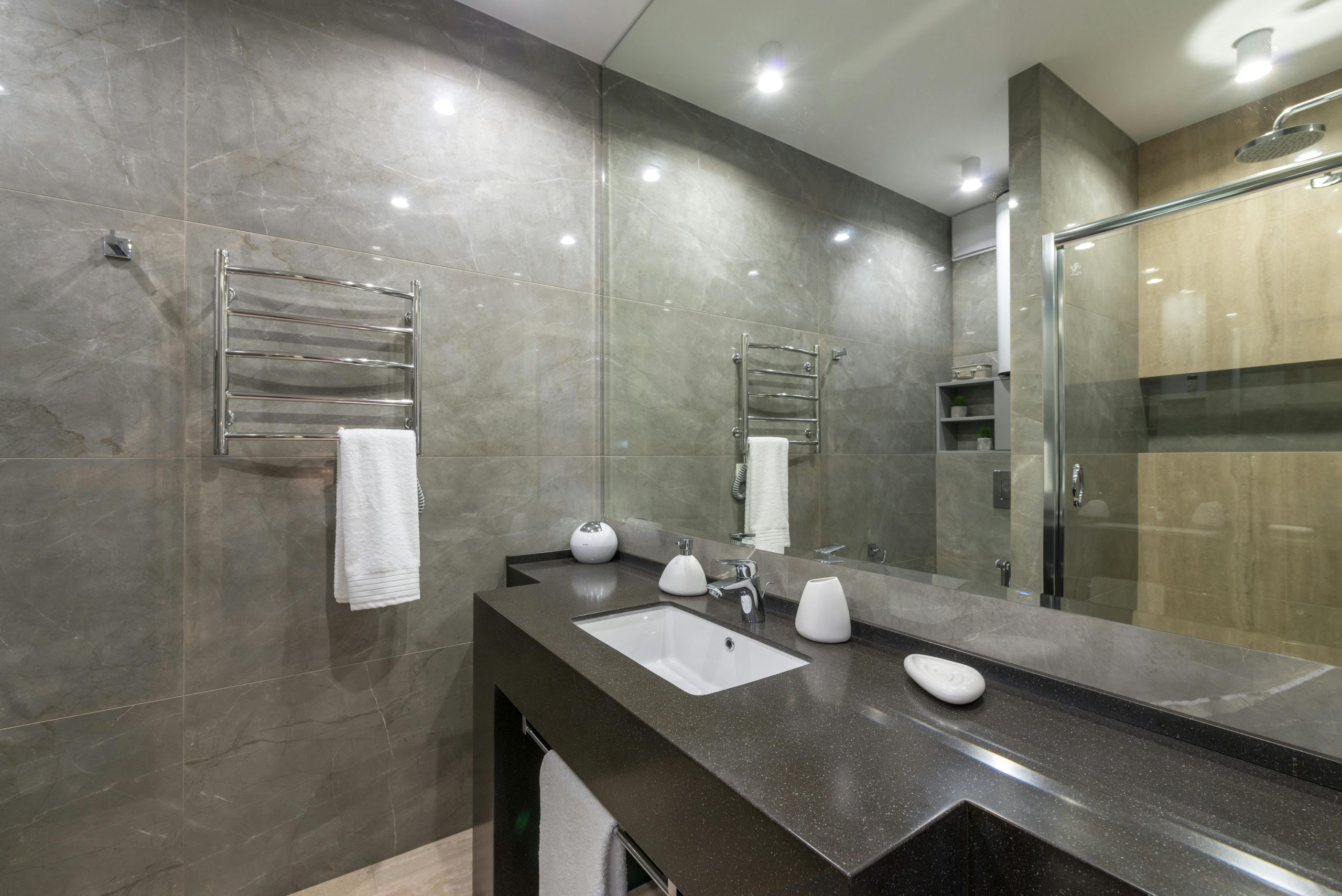
Bathroom vanities face different problems. Soap sits on them. Toothpaste drips. Hair products spill. These things break down sealers faster.
Check vanities every six months. Seal when water soaks in. Best marble sealer products for bathrooms fight these chemicals better.
Showers and Floors
Shower water actually helps. Running water washes away most stains. White marble, like Carrara, can get orange rust spots. Seal the white marble showers to stop this.
Wait three weeks after installation to seal. This lets trapped water escape first.
Bathroom floors get splashed but not soaked. Seal matte marble floors every twelve months.
How do you maintain marble in high-moisture areas like kitchens and bathrooms? Keep them dry. Wipe water quickly. Use bath mats.
DIY vs Professional Sealing
You need to decide if you’ll seal it yourself or hire experts.
When to Get Professional Help
Marble sealing services in Melbourne bring expert skills. They know which products work. They avoid common mistakes.
Hire pros for:
- First-time sealing
- Big areas
- Expensive marble
- When you’re not sure what to do
Sealing Marble Yourself
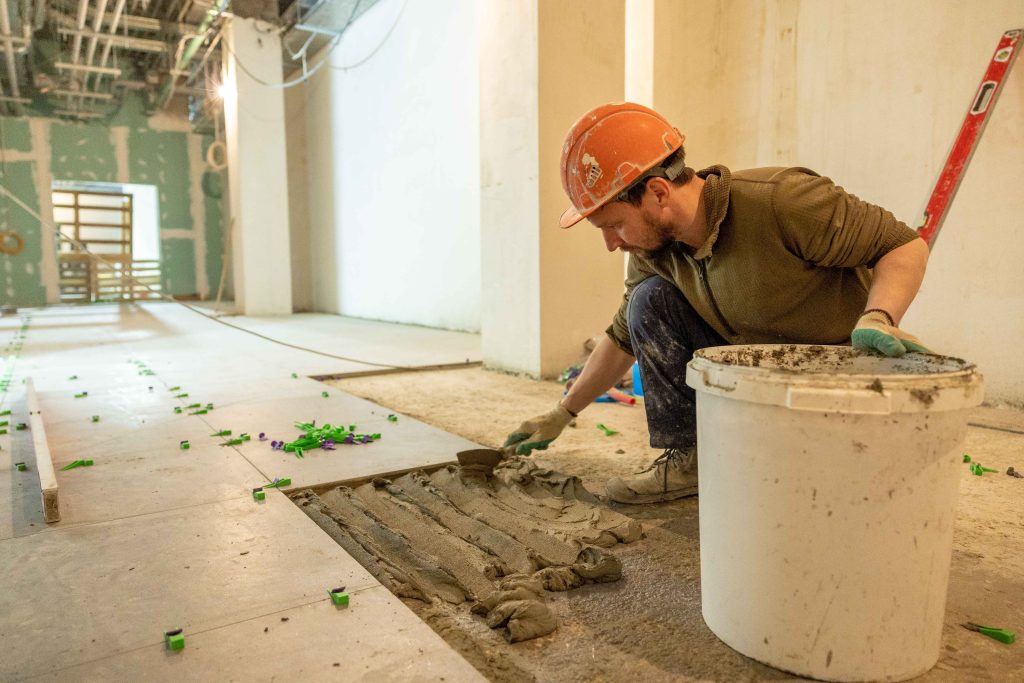
You can seal marble yourself. Clean the surface fully. Let it dry for twenty-four hours. Use the right sealer for your marble.
Work in small sections. Wipe extra sealer off fast. Don’t let it dry on the surface. This makes hazy spots. Work three feet at a time.
Common Mistakes While Sealing Marble
Many people make these errors when sealing marble.
Using Too Much Sealer
Too much sealer makes a cloudy film. This dulls your marble’s shine. Use thin coats. Let the marble soak up what it needs. Two thin coats beat one thick coat. Wait between coats as the bottle says.
Sealing Too Fast
New marble needs drying time. Wait twenty-four hours for counters. Wait three weeks for showers. Trapped water causes white spots. The seal fails faster.
Don’t Select The Wrong Sealer Type
Water-based sealers stop water. Oil-based sealers stop oil. Kitchen marble needs oil protection. Bathroom marble needs water protection.
Use food-safe sealers in kitchens. Get sealers that soak into marble. Skip sealers that sit on top.
Proper Schedule For Marble Sealing
Write down when you seal each spot. Set phone reminders. Keep notes about stains or problems.
Set reminders for six months out. Do the water test when it goes off. Water beads up? You’re good. Water soaks in? Time to seal.
Watch for these signs:
- Water soaks in fast
- Dull spots appear
- Stains won’t wipe away
- Surface feels rough
Heavy use means sealing more often. Light use means waiting longer. Your schedule should match your life.
Protecting Your Marble
Clean with gentle cleaners only. Never use vinegar or lemon. These strip the sealer. Wipe spills right away. Don’t let liquids sit.
Use coasters under drinks. Use hot pads under dishes. Can you remove marble stains after sealing? Yes, but it’s harder. That’s why schedules matter.
Good sealing plus regular cleaning keeps marble beautiful. Can marble sealer protect against acidic liquids like wine and vinegar? It slows soaking but won’t stop acid damage. Test your marble today. Make a simple schedule.
Frequently Asked Questions
1. Why is my marble still staining even though I sealed it?
Sealers wear down over time, especially in kitchens. Do the water test to check if your seal is still working. If water soaks in fast, reseal now.
2. My marble looks hazy after sealing. What did I do wrong?
You used too much sealer or didn’t wipe it off fast enough. The hazy film sits on top. Buff it gently with a soft cloth and sealer remover, then try again with thin coats.
3. How do I know when it’s actually time to reseal my marble?
Pour water on your marble and wait. Water beads up means your seal works. Water soaks in means reseal now. Test every few months in busy areas.
4. I sealed my marble myself, but it doesn’t look right. Should I call a professional?
If you see streaks, uneven shine, or sticky spots, get professional help. They’ll strip the bad seal and do it right. Fixing mistakes costs more than hiring pros first.
5. Does the sealer stop marble from getting dull spots from lemon juice?
No, those dull spots are etching, not staining. The sealer stops soaking, but can’t stop acid from eating the marble. Wipe acidic spills fast, even on sealed marble.