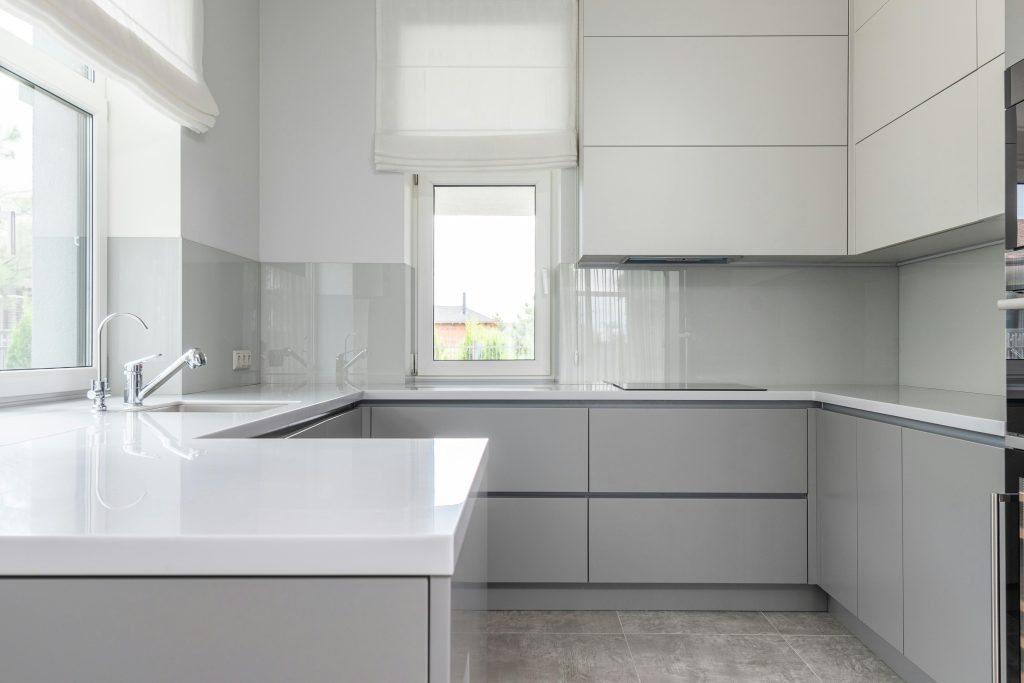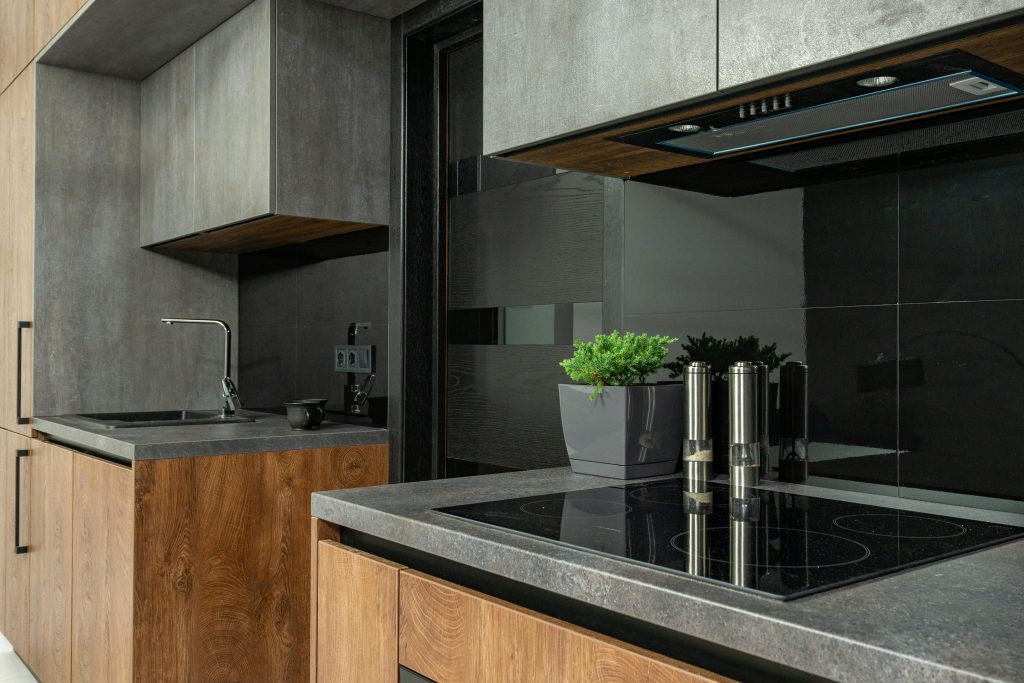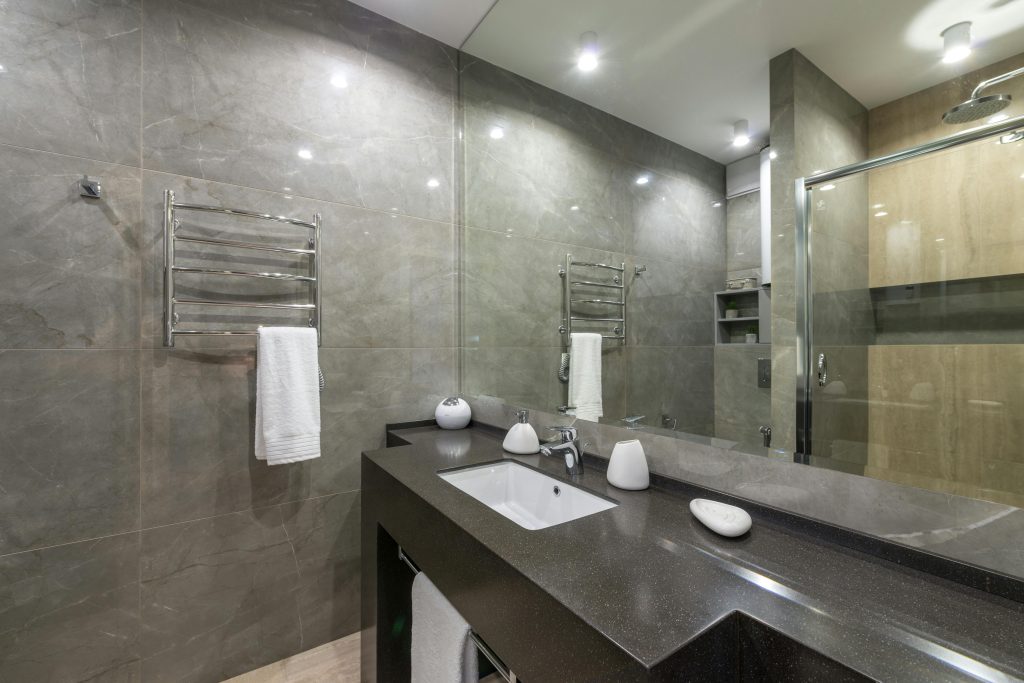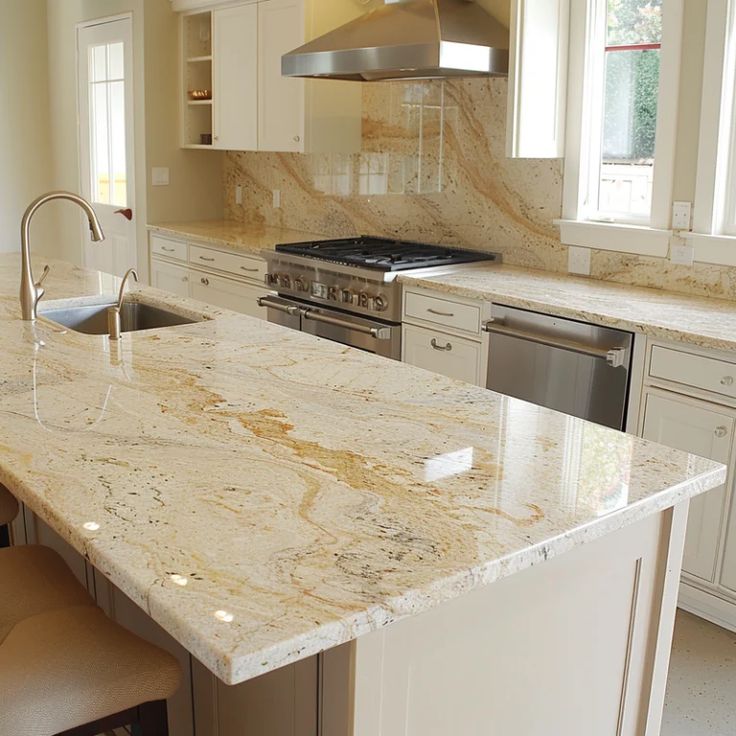
Did you ever put red wine on your marble counter and have it sink into it? Yeah, we’ve all been there. The point when you understand the marble that costs a lot is actually nothing more than a stain sponge.
Now this is supposed to be cured by applying a seal on marble, but you go into a store and you find half a dozen varieties of bottles. Penetrating this, topical that, water, solvent, it seems that you require a graduate degree in chemistry to purchase the proper product. And if you mess it up? You have just dumped money on a seal to marble, which does not work or fill the situation.
We get it. You just want your marble to stop absorbing every little spill. That’s why we’re cutting through the jargon and explaining what actually works. Whether you’re calling in stone sealing service pros or doing it yourself, you’ll finally know which bottle to grab.
Key Takeaways
- Penetrating sealers soak into your marble and protect it from the inside
- Water-based is fine for indoors; solvent-based lasts longer for busy areas
- Topical sealers change how your marble looks and wear off fast
- Nanotech sealers last forever but cost more
The Two Main Types You Need to Know
It’s always best to talk to a marble sealing service in Melbourne, and they’ll tell you all the details.
-
Penetrating Marble Sealer
A penetrating seal for marble goes deep into those tiny pores and blocks them from the inside. When you knock over your coffee, the liquid just sits there beading up instead of disappearing. You’ve got 15-20 minutes to grab a towel instead of watching it stain.
Why this works:
- Doesn’t mess with how your marble looks
- Spills bead up like they should
- Works everywhere, inside and outside
- Lasts 3-5 years
-
Topical Sealers
Topical sealers are like putting a clear coat on top. The problem is, they scratch easily, peel off in high-traffic spots, and totally change how your marble looks. Plus, they get slippery when wet. Unless it’s some decorative piece no one touches.
What These Sealers Are Made Of
Understand the differences between water-based, solvent-based, and nanotech sealers to pick the best fit for your marble’s needs.
-
Water-Based Marble Sealer
If you’re doing this inside and don’t want it smelling like a nail salon for three days, go water-based. Low smell, easy cleanup. Yeah, you’ll redo it every couple of years, but for a marble sealer for indoors, it’s the easier choice.
-
Solvent-Based Marble Sealer
Solvent-based stuff smells strong, not gonna lie. But it lasts way longer and handles abuse better. Are solvent-based marble sealers better for high-traffic areas? A hundred percent yes. Lasts 4-7 years easily.
-
Nanotech Marble Sealer
This is the new tech. Ridiculously tiny molecules that get even deeper. Amazing against oil, wine, coffee, basically everything that ruins marble. Can last up to 10 years. More expensive, but worth it if you’re sick of constant resealing.
Matching Sealers to Your Actual Space
Choose the right sealer based on your marble’s location and how it’s used to keep it protected and looking great.
-
For Floors Everyone Walks On
The best marble sealer for floors has to survive foot traffic and whatever gets tracked in without turning into a skating rink. Go with solvent-based penetrating for heavy traffic, or water-based for regular home use. Never use topical sealers on floors. They’ll be scratched to hell in months.
-
For Countertops That See Everything
Kitchen and bathroom counters are stain magnets. Wine, coffee, makeup, tomato sauce. How does sealing marble help in stain prevention? Instead of an instant disaster, you get time to clean it up.
-
Inside vs Outside
How to choose the right marble sealer for outdoor use? Think about weather and sun damage. You need solvent-based penetrating sealers with UV protection for marble.
Indoor? Water-based is totally fine and way less hassle.
Professional stone sealing services don’t even use the same products on your counters and floors.
Difference Between Topical And Water-Based Sealer
You might be thinking, how do penetrating and topical sealers differ in real life?
Penetrating ones go deep, don’t peel when people walk on them, keep everything looking natural, and last 3-5 years. Topical ones sit on top, show every scratch, change your marble’s vibe, and need redoing yearly.
Penetrating sealers fix your problem. Topical ones often become a new problem.
Don’t Make These Mistakes
Use thin sealant coats and wipe off extras immediately to avoid cloudiness. Let it cure for 24-48 hours before use. Always test on a hidden spot first. Use only pH-neutral cleaners. Check yearly by water test, if absorbed, reseal.
Which Sealer For Marble Should You Buy?
Water-based sealant is good for indoor marble; reseal every 2-3 years. Solvent-based works for busy or outdoor areas, lasts 4-7 years. Nanotech lasts forever but costs more. Or hire marble sealing services in Melbourne for expert care.
Conclusion
Protecting marble isn’t rocket science once you know what’s what. Penetrating sealers are your best bet because they prevent stains without making your marble look weird. Water-based for easy indoor jobs, solvent-based for serious durability.
Even the best sealer only works if you apply it properly. If you’re not sure, professional marble sealing in Melbourne services will get it done properly. Your marble can look amazing for decades with the right protection.
Get the sealing right now, and you won’t be replacing expensive marble later. You deserve to stop stressing every time someone walks near your counters with a glass of wine.
Frequently Asked Questions
1. What are the different types of marble sealers?
Water penetrating sealers permeate the stone, and topical ones cover the surface. Types include water, solvent, and nanotech.
2. How do penetrating and topical sealers differ?
Penetrating is deep and has a 3-5 year life. The topical sits on the top and scratches easily.
3. How do I choose the right marble sealer for outdoor use?
Get a solvent-based penetrating sealer that offers UV protection, so weather and sun won’t destroy it.
4. Are solvent-based marble sealers better for high-traffic areas?
Definitely-they are more durable and they can last 4-7 years against water, which lasts 2-3 years.
5. How does sealing marble help in stain prevention?
Gives you 15-30 minutes to clean up spills before they soak in and stain for good.