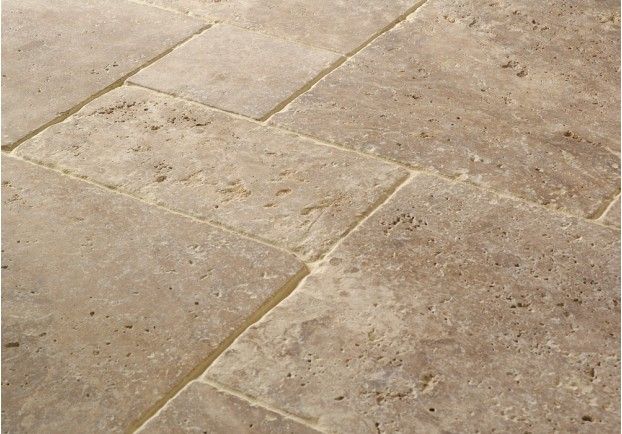
Your travertine floors were once the star of your home. Now they look tired, small holes opening like craters, deep scratches catching the light. Those holes collect dirt, turn black, and make the whole room look neglected. If you don’t act, small damage becomes expensive structural damage.
The good news? You don’t need to replace a single tile. Professional travertine restoration can bring your stone back. This guide covers exactly how pros handle travertine stone restoration, why damage happens, and how to fix it permanently. For expert help, visit Stone Restoration.
Key Takeaways
- Travertine is a natural stone that needs targeted travertine tile repair to hold its value.
- Holes are natural voids that pros fill with high-grade resins, not grout.
- Most deep scratches require professional stone honing and sealing to disappear.
- Wrong cleaners cause permanent etching, and most homeowners don’t know it.
Understanding Unfilled vs. Filled Travertine
Travertine is a calcite-based stone formed in natural hot springs. Because it is a porous limestone, it naturally has many holes and internal voids. These holes are what give the stone its unique character, but they also determine how you must care for it.
Key Differences in Stone Types
Knowing which type of stone you have is the first step in proper maintenance. Each version has a distinct look and different repair needs.
- Unfilled Travertine is left in its natural state. It has a rustic, textured look with open pits that can collect dirt.
- Filled Travertine has its holes filled at the factory with a cement-based material. This creates a smooth, flat surface.
- Maintenance Needs vary because filled stone will eventually lose its filler over time. When this happens, new holes appear that need repair.
When your factory fill fails or pops out, you need a professional Travertine pit filling service. Experts use a process called resin-infusion to fix the holes. This uses a high-strength resin that creates a bond stronger than the original stone. This process restores the smooth finish of your floor and prevents dirt from building up in the gaps.
Fix Deep Scratches in Travertine Floors
Many homeowners ask me whether deep scratches be buffed out of travertine? Yes, but it takes more than a cloth. To fix travertine scratches Melbourne homes face, professionals use diamond abrasive honing. This involves progressing through metal or resin pads to sand down the stone surface.
This mechanical grinding removes a thin layer, levelling the scratch entirely. Starting from a low-grit diamond pad and working upward ensures a perfectly flat result. After honing, buffing compounds restore your chosen finish, matte or high-gloss.If you are researching how to fix deep scratches in travertine floors, you must realize that standard store-bought polish is usually too weak for stone.
Professional Travertine Hole & Chip Repair
An open hole isn’t just ugly. It’s a breeding ground for bacteria. Professionals don’t use grout; grout is porous and stains fast.
Instead, they use custom-coloured polyester resin matched to the stone’s veining.
- The area is cleaned with pH-balanced stone cleaning solution.
- Resin is packed into the hole and left to cure.
- The excess is scraped away and honed flat.
This is why a travertine pit-filling service outperforms any DIY kit. Colour-matching the stone’s natural movement is a skill, not a product.
Identifying Hidden Damage in Travertine Tile
Not all marks on your floor are physical scratches. Many marks are actually chemical burns on the surface that change the look of the tile.
Common Types of Stone Erosion
Different sources of moisture and acid react with your stone in unique ways. These reactions can cause the stone to weaken or change color over time.
- Etching (acid damage) happens when lemon or wine spills cause a dull white burn on the porous stone surface.
- Hydrochloric acid (Muriatic) damage eats away at the stone’s minerals and requires professional grinding to fix.
- Spalling or flaking occurs when sub-florescence forces salt buildup out from within the tile.
You may also see iron oxidation (orange staining) if the stone minerals react with water. This is a common issue that requires a professional to treat the stone properly. If ignored, these issues can lead to the stone crumbling or staining permanently.
Why Choose Specialized Stone Cleaning Services
Professional stone restoration Melbourne gives you access to methods that hardware stores simply don’t sell. Professionals use Steam cleaning (DOFF/TORC systems), cleaning deeply without the pressure that cracks tiles.
For stubborn stains, a poultice application pulls contamination out of the stone using capillary action. After cleaning, penetrating sealers bond deep inside the stone. Stone scratch removal paired with correct sealing is what makes results last.
By using Professional stone restoration Melbourne residents can ensure their floors are treated with pH-neutral cleaners that don’t cause future damage.
Professional vs. DIY Travertine Scratch Repair
Choosing between Professional vs DIY travertine scratch repair is a matter of long-term value. While a kit might hide a small mark for a week, it cannot fix the structural integrity of the stone like industrial machinery can.
|
Feature |
DIY Repair Kit | Professional Restoration |
|
Color Match |
2–3 generic shades | Custom-blended per tile |
|
Durability |
May fail within 6 months |
Permanent resin bond |
|
Finish |
Patchy, uneven |
Seamlessly blended |
|
Equipment |
Sandpaper, hand tools |
Industrial diamond grinders |
| Sealer Quality | Basic surface coat |
Deep-penetrating breathable sealants |
Travertine Restoration Value and Costs
The Cost of travertine restoration varies by damage level. The travertine floor restoration cost per square metre is lowest for clean-and-seal jobs. It rises when your floor has lippage (uneven tiles) because lippage needs heavy grinding to flatten.
Still, restoration is a fraction of full replacement. Travertine floor polishing Melbourne also adds measurable resale value. Buyers notice a polished stone floor. We also restore surfaces like Basalt, Terrazzo, and Ferruginous sandstone.
An Honest Opinion to Know Before You Buy
Travertine is beautiful, but it is high maintenance. If your household has heavy pet traffic or young kids, this stone will test you.
You must commit to pH-neutral cleaners every single week. Ignore your stone for a few years, and you will face efflorescence (white powder build-up), deep pits, or widespread etching. At that point, restoration becomes far more labour-intensive than it needed to be.
Do not use vinegar, bleach, or Windex on travertine. One application can cause damage that takes a grinder to fix. If you cannot commit to stone-safe cleaning habits, travertine may not suit your lifestyle, and I’d rather you know that upfront.
Conclusion
Travertine restoration is the smartest way to protect your home’s value. Whether you need stone honing and sealing or a complete Travertine restoration Melbourne job, the outcome is always better than replacement.
Follow these three steps today. First of all, stop using acidic cleaners. Switch to a stone-safe, pH-neutral product immediately. Then book a professional inspection. Identify whether you have etching, deep scratches, or lippage. And lastly, seal every 1–2 years.
FAQs
1. What is the white powder appearing on my travertine floor?
That’s efflorescence, mineral salts rising through moisture in unsealed stone. Treat by removing the powder, addressing moisture sources, and applying a penetrating sealer. It signals sealing failure, not dirt.
2. Can I use vinegar to clean my travertine?
No, vinegar etches travertine instantly due to its acidity. Switch to pH-neutral stone cleaner immediately. One use requires professional honing to reverse dulling.
3. How do I know if my travertine needs honing or just polishing?
Honing first to remove dull patches, scratches, or etching; polishing only shines smooth surfaces. Inspect closely, damage under polish fails quickly. Pros assess depth accurately.
4. Does sealing travertine hide scratches?
No, sealers protect pores from stains but don’t fill or mask scratches. Hone scratches flat first, then seal for protection. Sealing alone leaves damage visible.
5. How long does professional travertine restoration take?
Typically, one to three days for homes, bathrooms in one day, and larger areas with lippage or holes take longer. Depends on the extent of damage. Schedule an inspection for a precise timeline.