Imagine hiring a team for stone restoration in Melbourne because the price looks good. They promise to restore your old sandstone facade in one afternoon. They spray a strong chemical, rinse it fast, and leave. At first, the wall looks cleaner. A few days later, rusty orange marks appear, and the surface starts shedding sand. You did not save money. You paid for the damage.
Acid washing is a risky shortcut used by untrained crews. It may look fast, but it starts a slow chemical reaction inside the wall. This guide explains why cheap work often causes long-term harm in stone restoration.
Key Takeaways
- Acid washing can change the color and strength of stone for good.
- Cheap contractors often leave before the damage fully appears.
- Once the stone starts flaking, repairs become harder and deeper.
- Safe cleaning methods protect both the finish and the structure.
Understand the Hidden Risks of Fast Stone Cleaning
Many low-cost companies offering stone cleaning in Melbourne use acid because it works fast. It strips dirt, mortar haze, and stains in minutes. For them, that means faster jobs and lower labor costs.
The problem is that most stone is Porous stone. It absorbs liquid below the surface. Once acid goes in, rinsing does not always remove it. That is where hidden damage begins, especially on projects sold as proper stone restoration services. This is also why Exterior stone wall cleaning should never be rushed.
Protect Stone from Acid Damage During Cleaning
Here is the plain truth. Acid does not just clean stone. It reacts with it. Many facade materials are porous stone. The liquid sinks in deep. It keeps working long after the crew leaves. That is when problems start.
How the Damage Actually Happens
When acids hit stone, they break down natural binders. This leads to Hydrochloric acid (Muriatic) damage and dull patches called Etching. On iron-rich stone like ferruginous sandstone, the reaction triggers Iron oxidation (orange staining). It looks like rust is spreading from inside the wall.
If salts form and expand below the face, the surface can pop and flake. That is Spalling. It is one of the hardest issues to stop once it begins. Moisture often carries residues deeper into the soil by capillary action.
That is why trusted marble and stone restoration services avoid harsh acids. They use safer systems like pH-neutral cleaners and Steam cleaning (DOFF/TORC systems). These methods lift grime without dissolving the surface.
Sandstone Repair Is Often Needed After Acid Cleaning
Not every surface reacts the same way. Ferruginous sandstone contains natural iron, so acid can trigger orange staining from within. What looks like surface dirt is often a chemical reaction inside the block. That is why many owners later need expert Sandstone repair.
If the wall has been exposed to the wrong product, the damage may keep growing after the crew leaves. This is one reason skilled stone cleaners test first instead of guessing.
Spot Acid Damage Signs on Your Stone Walls
If you are unsure about past cleaning, check for clear Signs of chemical damage on stone buildings.
Surface Warning Signs
- Dull patches that no longer reflect light evenly
- Yellow, white, or orange marks in random areas
- A rough, sandy feel when you touch the face
These signs often show that the outer layer has been stripped or weakened.
Why Pressure Cleaning Makes It Worse
Acid is bad enough on its own. Add high-pressure water, and the problem gets worse. The dangers of high-pressure cleaning on old stone are serious because soft stone and lime mortar can break down fast.
Pressure drives water and chemicals deeper through Capillary action. That traps salts and moisture inside the wall. For heritage work, Non-abrasive stone cleaning is the safer path.
| Cleaning Method | Safety Rating | Long-Term Impact |
| Acid Washing | Dangerous | Causes staining and surface breakdown |
| High-Pressure Water | Low | Strips the face and weakens joints |
| Steam Cleaning | Highest | Cleans gently without harsh attack |
| pH-Neutral Cleaners | High | Safe for regular maintenance |
The Hidden Damage Most Owners Miss
One of the worst outcomes in stone restoration is Sub-florescence. This happens when salts form under the surface, not on top of it. As the crystals grow, they push the stone apart from the inside.
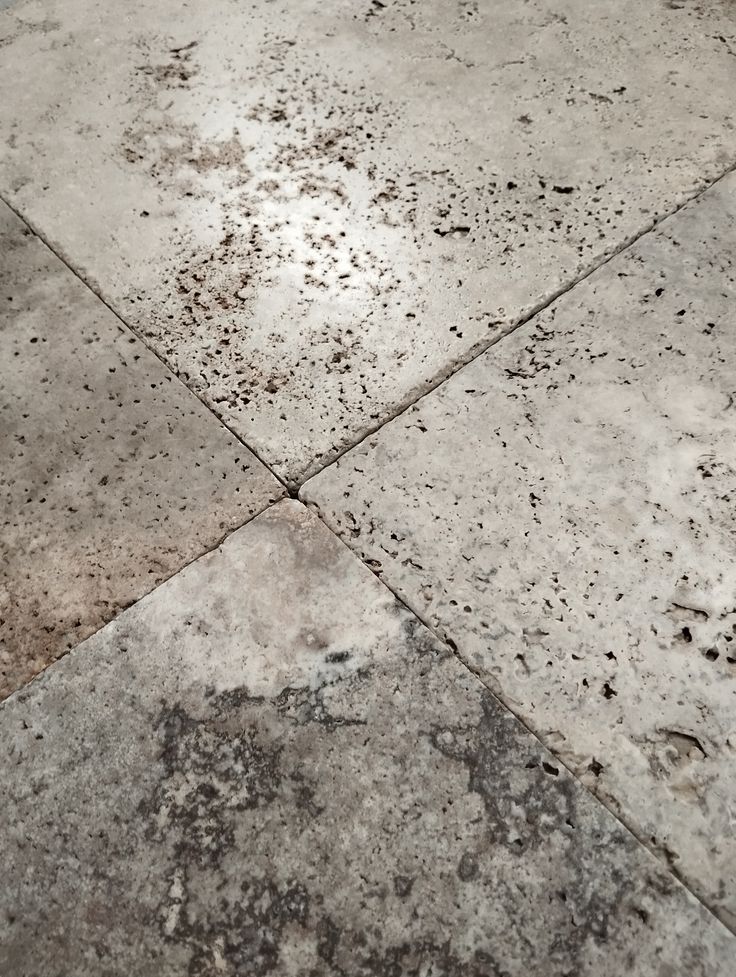
That pressure can destroy a Stone facade restoration project long after cleaning is done. Older materials are especially at risk, including Basalt, Travertine, and delicate Terrazzo details.
How Professionals Restore Affected Facades
If the facade has already been harmed, the right method matters. Reliable stone restoration services follow a careful assessment before any product touches the wall. They use controlled, low-risk steps.
Safer Restoration Methods
- Poultice application to draw out deep stains and residue
- Low-pressure heat cleaning to lift grime without cutting the face
- Breathable sealants to protect the stone without trapping moisture
People often ask, How to remove acid stains from brick and stone. The answer is not harsher or cleaner. The answer is a proper test, the right treatment, and patience.
Honest Opinion on Acid Burn Repairs
Here is the hard truth. Some damage cannot be fully undone. If carved detail has melted away, no cleaning method can bring it back. That is true on both heritage walls and fine marble stone restoration work.
The Cost of fixing an acid burn on stone is often far worse than avoiding the mistake in the first place. If a quote looks too cheap, ask questions. That matters even more for marble restoration for Melbourne jobs, where acid can leave permanent dull marks and deep surface loss.
Conclusion
Good stone restoration is not just about making a wall look clean today. It is about helping the facade last for decades. For any stone restoration in Melbourne, property owners who invest in acid washing may see quick results, but the damage can stay active long after the job is done.
When booking stone cleaning Melbourne, homeowners should choose teams that test first, explain the process clearly, and use safe cleaning methods. Ask how they handle old or fragile stone. And always insist on a small test area before full cleaning starts.
Frequently Asked Questions
1. How to remove acid stains from brick and stone?
Apply a poultice paste to draw out chemicals, let it sit 24-48 hours, then rinse. Follow with alkaline cleaners to neutralize residues. Steam cleaning finishes deep stains safely.
2. What are the signs of chemical damage on stone buildings?
Look for white powdery salts, orange rust spots, and sandy, softened surfaces. Edges may appear melted from erosion. These worsen over time if untreated.
3. Does high-pressure cleaning damage old stone?
Yes, it strips protective layers, boosts porosity, and erodes lime mortar joints. This causes leaks and instability. Use low pressure instead.
4. What is the cost of fixing an acid burn on stone?
Repairs involve neutralizing, poulticing, and re-facing, costing far more than original cleaning. For marble restoration Melbourne projects, especially, multiple stages raise expenses significantly
5. What is the safest method for cleaning heritage stone facades?
Steam cleaning systems like DOFF or TORC are the safest. They use controlled heat and low pressure to lift grime without attacking the stone surface. Always request a test patch on a small area before full cleaning begins.