You’ve spotted a white dusting on your sandstone wall. You scrub it off. Three more weeks later, the same goes again with a small chip under there. It’s not a cleanliness issue. It’s a structural warning.
Bayside suburbs of Melbourne, such as Brighton, Sandringham, Beaumaris and Black Rock. They are in the line of the sea spray and airborne salt. Salt soaks into the stone from the pores. Salt crystals swell inwards when wet. The crystals force their way to the exterior until they crack. The process can be much more destructive than surface staining.
According to the Australian Institute for the Conservation of Cultural Material, salt attack accelerates stone decay up to 3x faster in marine environments. If you live near the bay, you need stone restoration to protect your marble.
Key Takeaways
- Salt physically breaks stone apart from the inside out; it doesn’t just stain it.
- The wrong sealer traps moisture and accelerates damage.
- Bayside homes need a maintenance routine, not a one-time fix.
- Early treatment is far cheaper than full stone replacement.
What Salt Actually Does to Your Stone
Salt damage is not cosmetic. It is mechanical in nature. Airborne salt settles on stone, dissolves into water, and soaks into the pores. When water evaporates, the salt crystallises. Each wet-dry cycle forces those crystals to expand and contract. Eventually, the stone cracks.
Efflorescence vs. Subflorescence
Efflorescence is the white deposit you see on the surface. bad looking, but less dangerous. Subflorescence forms below the surface. invisible internal salt crystals actively destroying stone from within. Most homeowners treat the white stain and walk away. The internal damage continues unchecked.
Stone Types At Most Risk
- Sandstone is highly porous and absorbs salt rapidly, most common in heritage homes.
- Limestone reacts chemically with salt, not just physically. Limestone Salt Damage Repair is one of the most frequent coastal requests
- Marble is denser, but polished surfaces trap moisture at the edges, causing slow but serious deterioration
The Biggest Sealer Problems
The wrong sealer makes salt damage worse. Film-forming sealers create a hard shell on stone. As a result, coastal moisture from groundwater, sea spray, and humidity gets trapped inside. Pressure starts to build. The stone cracks faster than if it were never sealed.
Vapour-permeable sealers are the correct choice for coastal stone. Moisture exits naturally while new salt water is blocked. Matching the right sealer to your stone type requires professional assessment, not a hardware store guess.
Sandstone Sealing Best Practice
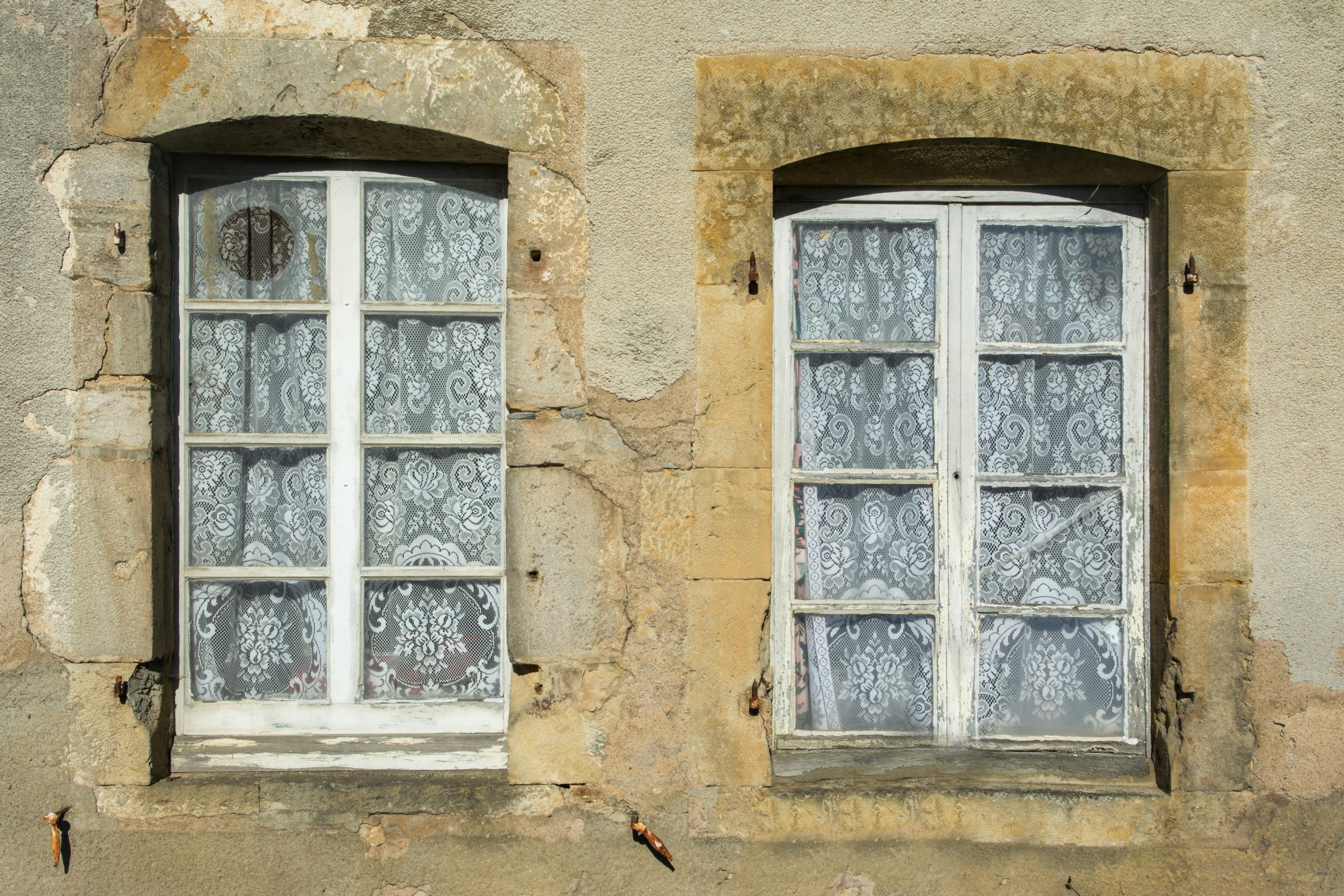
Sandstone is the most common facade material in Melbourne’s older bayside homes, and the most damaged by salt.
Why Standard Cleaning Fails
Pressure washing with the wrong equipment strips the surface layer, opens more pores, and increases salt absorption. pH-neutral pressure washing at under 1,000 PSI is the correct method for heritage sandstone. Anything higher causes permanent damage.
Heritage Homes Demand Specialist Restoration
Many bayside properties sit on the Victorian Heritage Register. Stone restoration for heritage homes requires strict method control. Wrong chemicals or techniques can:
- Void heritage compliance
- Cause irreversible stone loss
- Attract council penalties
Confirm your restorer understands heritage obligations before any work starts.
Coastal Stone Maintenance Planning Guide
| Maintenance Task | Frequency | Why It Matters |
| Visual inspection for salt staining | Every 3 months | Catch damage before it goes internal |
| pH-neutral surface clean | Every 6 months | Remove deposits before they penetrate |
| Sealer performance check | Annually | Sealers degrade in coastal sun |
| Professional stone assessment | Every 2–3 years | Detect subflorescence early |
| Full restoration treatment | As needed | Stop structural failure before it starts |
By the time most homeowners call for marble and stone restoration services, the damage has already moved past the surface layer. The inspection schedule above exists to prevent that.
How Professional Stone Restoration Works
Proper Bayside Stone Cleaning is not just cleaning and sealing. It starts with salt extraction, drawing existing deposits out of the stone before any sealer goes on. Sealing over active salt contamination locks the damage in.
Professional Stone Restoration handles everything from salt attack treatment assessments through to final sealing, using methods built for coastal conditions.
Identifying Urgent Salt Damage Repairs
Small cracks in coastal stone rarely stay small for long. In Melbourne’s bayside suburbs, trapped salt and moisture continue expanding inside the wall even after the surface looks dry. Many homeowners delay repairs because the damage seems cosmetic, but loose stone, failing grout, and internal moisture spread quickly once the salt attack starts.
Professional stone restoration services focus on stopping that cycle before structural damage spreads deeper into the property. The process usually includes moisture testing, salt extraction, breathable sealing, and targeted repairs instead of simply covering the surface.
Finding Trusted Stone Restoration Experts
Not every contractor understands coastal stone behaviour. A company experienced in marble and stone restoration services will assess the stone type, exposure to sea air, drainage issues, and previous sealing products before recommending treatment.
Limitations Of Stone Restoration
If the stone has fully delaminated, the substrate is visible beneath the surface. Restoration stabilizes what remains but cannot recreate lost material. Partial replacement becomes the only real option. No marble & stone restoration service reverses structural stone loss.
Some jobs extend stone life by many years. Others buy a few seasons before replacement is unavoidable. A credible restorer tells you which situation you’re in before starting. If someone promises full restoration on heavily damaged stone without a site assessment, walk away.
Even with perfect sealing and stone cleaning Melbourne maintenance, bayside stone in direct sea spray zones degrades faster than sheltered stone. Restoration is ongoing maintenance. Not a permanent fix.
Conclusion
Salt damage works slowly, invisibly, and gets expensive fast. Most of it is preventable.
Three steps to take this week:
- Check every stone surface, including walls, paths, steps, and facades, for white powdery patches.
- Assess your current sealer. Film-forming products may be trapping moisture right now.
- Book an inspection before summer. Warmer months accelerate wet-dry salt cycles.
For marble stone restoration, sandstone treatment, or a full coastal assessment. Shiny Stones provides restoration services across Melbourne.
Frequently Asked Questions
1. Does salt destroy stone grout?
Yes, salt causes grout to lose its bond and turn into a fine powder. Broken grout allows water to infiltrate beneath the stone, leading to loose or unstable surfaces.
2. Why are “rust” spots appearing on my marble?
High coastal moisture reacts with natural iron minerals inside the stone to cause oxidation. These stains are a clear sign that the stone is absorbing too much water and requires sealing.
3. Why is my pool stone flaking?
Evaporating saltwater leaves crystals behind that physically push the stone’s layers apart. This mechanical stress leads to constant surface peeling and thinning around the water’s edge.
4. Does sealing make the stone slippery?
Penetrating sealers do not change the texture or slip-resistance of your stone. Only film-forming sealers create a slick surface that becomes dangerous when wet.
5. Can indoor stone get salt damage?
Yes, salt-heavy sea air enters through windows and settles on indoor marble or limestone. This residue can dull the finish and cause fine surface etching over time.