You picked the stone. You love how it looks. Then the installer finishes, you pay the final invoice, and three months later you see a crack running right through your feature wall. Or your outdoor pavers are lifting. Or water is pooling where it shouldn’t be.
This happens more than anyone in the industry likes to admit. Most stone installation failures are not about the stone itself. They are about rushed preparation, wrong adhesive, and installers who will not answer your calls once they have been paid.
This guide gives you the full picture. What stone installation actually involves, where jobs go wrong, and how to protect yourself before you spend a cent.
Key Takeaways
- Most stone installation failures start with poor surface preparation, not the stone itself.
- Natural stone is a long-term investment, but it is never truly zero maintenance.
- The right stone for one project can be completely wrong for another.
- Always get a written scope of work before any installer starts.
Everything You Need to Know About Stone Installation
Stone installation is the process of fixing natural or engineered stone to a surface. That surface could be a floor, wall, benchtop, fireplace, or facade.
It sounds straightforward. It is not.
Every stone type behaves differently. Every surface requires different preparation. What works perfectly in one environment will fail in another. This is the part most people only find out after something goes wrong.
Stone installation services cover a wide range of jobs. Residential and commercial. Internal and external. Decorative and structural. Each one has its own requirements, and each one has its own common failure points.
Types of Stone for Installation
Choosing the wrong stone is one of the most expensive mistakes you can make. You will not see the problem immediately. You will see it six months later.
The types of stone used for installation fall into a few main categories. Each one suits different environments and different uses.
| Stone Type | Best Application | Avoid Using For |
| Granite | Benchtops, high-traffic floors | Thin wall cladding |
| Limestone | Internal feature walls, fireplaces | Uncovered outdoor areas |
| Travertine | Courtyards, low traffic areas | Kitchen benchtops |
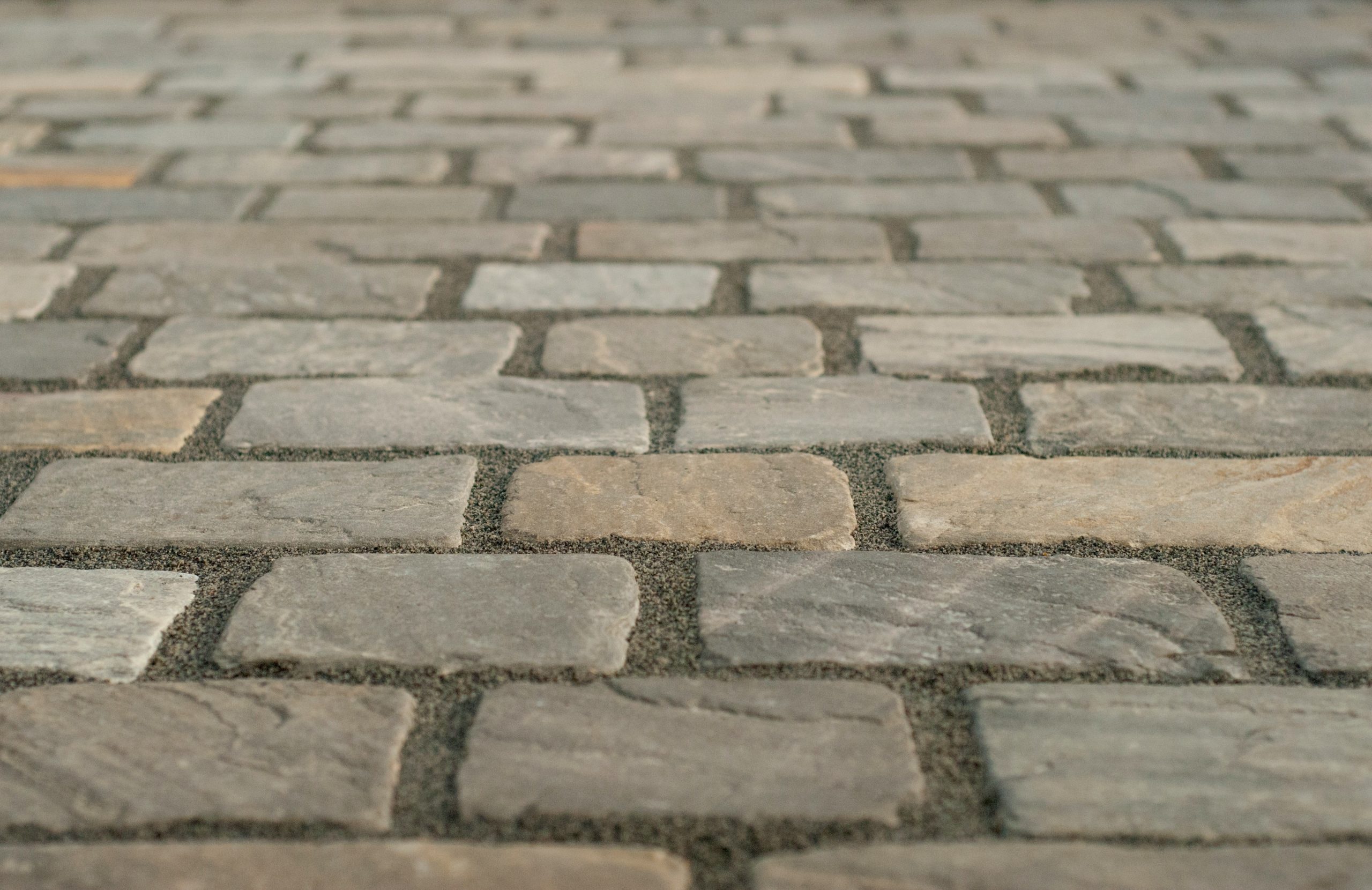
| Bluestone | Outdoor paving, pool surrounds | Decorative internal walls |
| Slate | External cladding, garden paths | Polished internal floors |
| Sandstone | Feature walls, garden edges | High traffic or wet areas |
When choosing the best stone for an outdoor patio in the harsh Australian sun, bluestone stands out above other options. It does not fade, it stays cooler underfoot, and it handles tough weather conditions much better than travertine or sandstone over time.
Sandstone may look great on day one, but after a few Australian summers, it does not perform the same way.
Choosing the best stone for outdoor areas generally comes down to hardness and porosity. Harder, less porous stones last longer and require less maintenance outside.
How to Choose the Right Stone for Your Project
Most people choose stone based on how it looks in a showroom. That is understandable. It is also how most bad decisions get made.
A showroom is a controlled environment. Your outdoor patio is not.
Key Questions to Ask Before Choosing
- Where is the stone going, inside or outside?
- Will it be exposed to direct sun, rain, or pool water?
- How much foot traffic will it get?
- How much maintenance are you willing to do?
The answer to these questions should drive your stone choice. Not the colour swatch.
Top Benefits of Stone Installation for Homes and Businesses
Stone is still one of the best materials you can use. Nothing else offers the same combination of durability, appearance and property value.
High-quality stone wall installation can completely transform a space. It adds texture and depth that painted walls simply cannot replicate. For commercial properties, it signals quality to every customer that walks through the door.
Commercial stone installation is held to much stricter standards than residential work. Slip resistance, load-bearing capacity, and compliance all need to be verified. A good commercial installer will flag these requirements before the job starts.
The benefits that matter most:
- Stone lasts for decades when installed correctly
- It adds genuine resale value to residential and commercial properties
- Quality natural stone is unique; no two pieces look the same
Stone Installation Pricing Guide
No one wants to talk about this honestly. So here it is.
The stone installation cost varies significantly based on factors that most installers will not explain upfront. The average cost of stone installation per square metre is not a fixed number. Anyone who quotes you one without seeing the job is guessing.
The factors that affect stone paving prices include:
- Stone type and thickness
- Access to the site
- Amount of subfloor preparation required
- Complexity of the layout or pattern
- Sealing and finishing requirements
Paving cost per square metre also changes depending on whether you are in a metro or regional area. Labour rates vary. Material freight costs vary. Do not compare a Melbourne quote to a regional quote and expect them to be the same.
The cost to seal stone pavers is almost always left out of initial quotes. Ask about it upfront. Sealing is not optional. It is part of the job.
Common Stone Installation Problems
This is what no one tells you at the showroom.
Stone cracks for a reason. Almost always, that reason is movement underneath the stone. If the subfloor flexes, the stone above it cracks. If drainage is poor, water undermines the base and pavers start to shift. These are not random bad luck events. They are predictable, preventable failures.
Preventing Water Damage With a Rainscreen System
Natural stone veneer installation on external walls comes with one major risk that many homeowners are not told about: water ingress behind the stone. If there is no gap between the stone and the wall behind it, moisture gets trapped. Over time, this can lead to mould, structural damage, and eventually cladding failure.
A rainscreen system solves this problem. It creates a small ventilated cavity behind the stone, allowing moisture to escape instead of building up. For external walls, this is not optional. It is essential.
Very few stone cladding installers in Melbourne talk about this before starting the job. Make sure you ask about it before you sign anything.
Common Stone Installation Mistakes
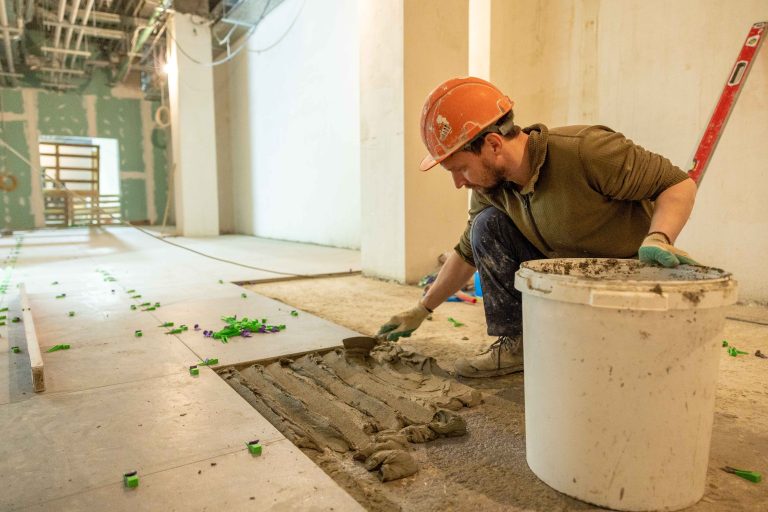
- Using the wrong adhesive for the stone type or surface
- Skipping the dry lay step to save time
- Not allowing adequate expansion joints on large areas
- Installing without checking subfloor levelness first
Stone Installation Timeline
A realistic timeline helps avoid a lot of frustration. Many people underestimate how long a proper stone job actually takes. Small residential projects, such as a stone benchtop installation or a bathroom wall, can usually be completed within a couple of days.
However, larger external paving areas take more time. This is because the base preparation must be done correctly and allowed to cure before the stone is installed.
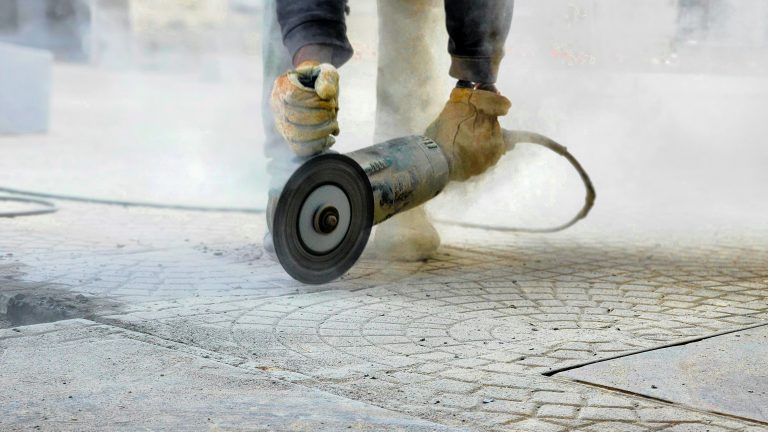
Stone fireplace installation is one of the more time-intensive jobs. The adhesive needs to be rated for heat. The stone needs to be cut precisely. Rushing either step creates cracks that appear the first time the fireplace gets hot.
Bespoke stone installation services for custom or architectural projects require additional planning, templating and often longer lead times for speciality stone.
How Long Does Stone Installation Last
Installed correctly, natural stone lasts for generations. Installed poorly, it starts failing within a year. The difference is almost always in the preparation, not the stone itself.
An Honest Word Before You Decide
Stone installation is worth doing. But there are things you need to know before you commit.
Even a perfectly installed stone floor can crack if the building moves. Older homes flex more than new ones. Concrete slabs develop hairline cracks over time. Stone laid on top of them can crack too. That is not always the installer’s fault. A good installer will tell you this risk upfront.
Maintenance of natural stone is a real commitment. Every stone surface needs periodic resealing. How often depends on the stone type and traffic. Ignore it, and the stone absorbs stains, moisture and eventually starts to deteriorate.
How to install stone pavers correctly involves far more base preparation than most people expect. The visible part of the job is maybe thirty per cent of the total work. The rest is underneath, where you will never see it. That is also where corners get cut.
If you find an installer who talks about risks, prep work and realistic timelines before talking about price, that is a good sign. If someone immediately tells you what you want to hear, be careful.
Conclusion
Stone is one of the best investments a home or business can make, over time. There is nothing more tough, more interesting or more economical. But it only provides those things in a well-planned and well-installed setup.
Here are three starting steps to take: For one, select a stone that is right for where it will be placed rather than its appearance. Second, before you sign anything, inquire of any installer about the functioning of the subfloor and the rainscreen system. Third, obtain a full written scope of work, including sealing, finishing and the consequences of failure.
When seeking genuine feedback and insight from those who have witnessed the results of good and bad installation, consult a specialist who can evaluate your project before giving a quote.
FAQs
1. Can I use the same stone inside and outside my house?
Not always. Outdoor stones will absorb moisture, fade or crack after a few seasons outside; many stones that look great in the house will be too porous for outdoors.
2. Why is my newly installed stone already staining?
Open stone will absorb liquids in a flash. If the stone was not sealed by your installer on the same day that it was laid, staining may start within hours of use.
3. How do I know if my stone wall has water behind it?
The most common sign is efflorescence (white salt deposits on the surface of the stone). Means that moisture is passing through the stone from the back and evaporating from the front.
4. Does the thickness of the stone matter for installation?
Yes, significantly. Thinner stone is more fragile during installation and has a greater risk of cracking under load and/or movement. Thicker stone will have more durability on the floor and in high-traffic areas, and will be more expensive.
5. Will my stone pavers get hot in the Australian summer?
While light coloured and darker stones will heat up differently, all stone will heat up in full sun exposure, and bluestone and granite will function better than limestone and sandstone.